
What is Substance Use Disorder?
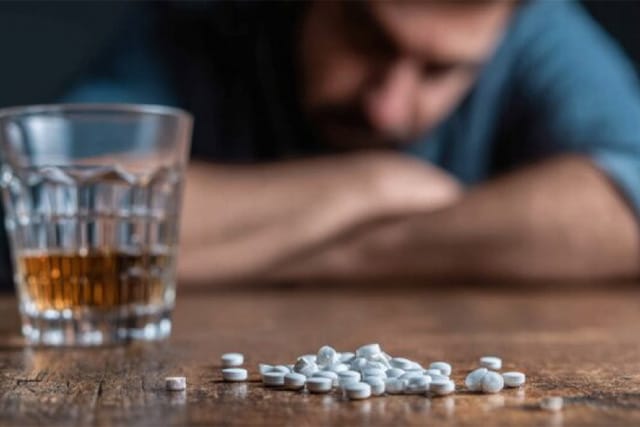
Substance use disorder (SUD) is a complex condition that many individuals suffer from. People with SUD have an intense focus, known as addiction, when using substances such as alcohol, tobacco, or other psychoactive substances. These substances are
used in an uncontrolled manner despite harmful consequences to day-to-day
functioning.
Here at Growth and Recovery, we offer substance abuse and addiction counseling that encompasses a compassionate, confidential, and nonjudgmental approach. Most importantly, we emphasize that recovery is possible.
What Are the Warning Signs of Substance Use?
People begin taking substances for numerous reasons. There is not one cause for SUD as factors vary immensely in their impact. Individuals might want to start using to:
- Feel the pleasure of getting intoxicated
- Relieve stress or feel numb
- Improve performance or thinking
- Experiment using the drug or succumb to peer pressure
People with substance use issues may have awareness of their addiction but are
unable to stop even if they wanted to. Some general signs of SUD are prevalent in the way they affect an individual both physically and psychologically.
- Changes in appetite or sleep patterns
- Deterioration of personal grooming habits
- Appearing fearful, anxious, paranoid, or having sudden mood swings
- Tremors, impaired coordination, or slurred speech
- Strong craving to use the substance after failed attempts to control the substance
- Failure to complete major tasks at work, school, or home
- Substances used in unsafe settings
- Withdrawal that causes nausea, vomiting, and muscle cramping
What Do Substances Do to Your Brain?
The brain comprises a network of neurons to process and transmit information. Drugs and alcohol interfere with the way these brain cells function, receive and process certain signals. SUD can alter feelings, perceptions, thought processes and behaviors.
Short-term use effects include:
- Altered consciousness, impaired memory, inattention, altered judgment, and more
Long-term use effects include:
- Extreme impairments across the domains of memory, attention, and executive function
With the use of certain substances like alcohol, cocaine, methamphetamine, inhalants, or hallucinogens, seizures and traumatic brain injuries can occur.
How Does Addiction Affect Your Relationships?
Families can provide a source of emotional comfort and security to some. Family environments can also foster destructive consequences in both emotions and behavior. No matter how much an individual may know about addiction, it still may come
as a shock that a loved one is struggling with SUD. With this shock, partners of spouses can feel abandoned if their loved one turns to drugs. Facing the reality that a loved one is struggling with SUD is difficult, but it is the first step
in realizing that you can help them. Family members or friends can:
- Learn as much as they can about drug dependence and addiction
- Speak up and offer support to their loved one
- Express love and concern while avoiding name-calling
- Not expect the person to change without help
- Remain involved in their recovery journey
Why Does Stigma Around SUD Occur?
There are stereotypes and negative attitudes that create barriers and make conditions worse for those with SUD. Why do these attitudes still happen?
- Many people do not understand that SUD is the result of brain changes that make drug use compulsive
- With extreme changes in personality, behaviors can alienate those suffering from family, friends, and their community
- People still see addiction as a personal or moral failure
- Terms like “addict” feed negative biases and dehumanize people
- Marginalized groups such as communities of color are further disadvantaged as they are more likely to be arrested for drug use
How can we diminish this stigma?
- We need to understand that SUDs are chronic and treatable medical conditions
- Replace stigmatizing language
- Address systemic discrimination such as racism or sexism that add another level to the stigma
What Are Some Myths About SUD?
Misinformation about drug addiction further contributes to stigma. This continues to push the notion that recovery is not possible for those in deep addiction, when it is truly possible. Some common myths include:
- MYTH: Addiction is a choice—addiction is a complex condition where repeated substance use alters brain chemistry, making it extremely difficult for individuals to simply “stop”
- MYTH: Prescription drugs are safer than illegal drugs—painkillers (opioids), stimulants, and sedatives can be highly addictive, therefore just as dangerous as illicit drugs when misused
- MYTH: Only certain types of people can develop SUDs—Addiction does not discriminate. Addiction affects people of all races, economic backgrounds, genders, and backgrounds
Recovery Is Possible
Don’t let anyone tell you that recovery is impossible. As difficult as it might be with
constant setbacks and obstacles, SUDs are highly treatable.
The first step of treatment is the recognition of the problem.
SUDs affect various aspects fo an individual’s life, so multiple types of treatment are often required. These include both medications to control cravings and psychotherapy to help individuals better understand why SUD is affecting their behaviors and motivations.
Why is psychotherapy (talk therapy) important in the recovery process? Talk therapy can:
- Identify the root causes of addiction
- Develop healthy coping mechanisms
- Promote personal growth
- Provide a safe space to explore and understand triggers
- Create improvement in communication skills and self-care practices
- Provide emotional support in a non-judgmental environment
- Provide relapse prevention through strengthening resilience and reliance
- Change destructive behaviors
Taking the steps to change your life for the better is an incredible achievement. You don’t have to face the effects of SUD alone. At Growth and Recovery Counseling, we will navigate the addiction with you, both in individual and family counseling, which focuses strongly on your long-term recovery.